Armenian culture is a testament to the country's rich history, spanning thousands of years and
influenced by a diverse array of civilizations and traditions. At the core of Armenian culture
is a deep reverence for its ancient roots, evident in the preservation of archaeological sites
such as the UNESCO World Heritage Site of the Geghard Monastery and the ancient city of Ani. The
Armenian language, with its unique alphabet invented by Mesrop Mashtots in the 5th century,
stands as a symbol of cultural identity and resilience, enabling the transmission of folklore,
poetry, and religious texts across generations.
Religion, particularly Armenian Apostolic Christianity, has played a profound role in
shaping Armenian culture. The Armenian Apostolic Church, one of the oldest Christian
denominations, permeates many aspects of daily life, from religious observances and rituals to
the architecture of iconic landmarks such as the Etchmiadzin Cathedral, considered the mother
church of Armenian Christianity. Religious festivals and traditions, including Easter and
Christmas celebrations, are integral parts of Armenian cultural life, blending spirituality with
communal gatherings and feasting.
Armenian arts and crafts showcase the country's creativity and craftsmanship, with
traditions passed down through generations. Intricate khachkar (cross-stone) carvings,
traditional rug weaving, and pottery are just a few examples of Armenia's rich artistic
heritage. Armenian music, characterized by haunting melodies and soulful lyrics, reflects the
joys and sorrows of the Armenian experience, with instruments like the duduk, a double-reed
woodwind instrument, lending a distinctive sound to traditional folk music.
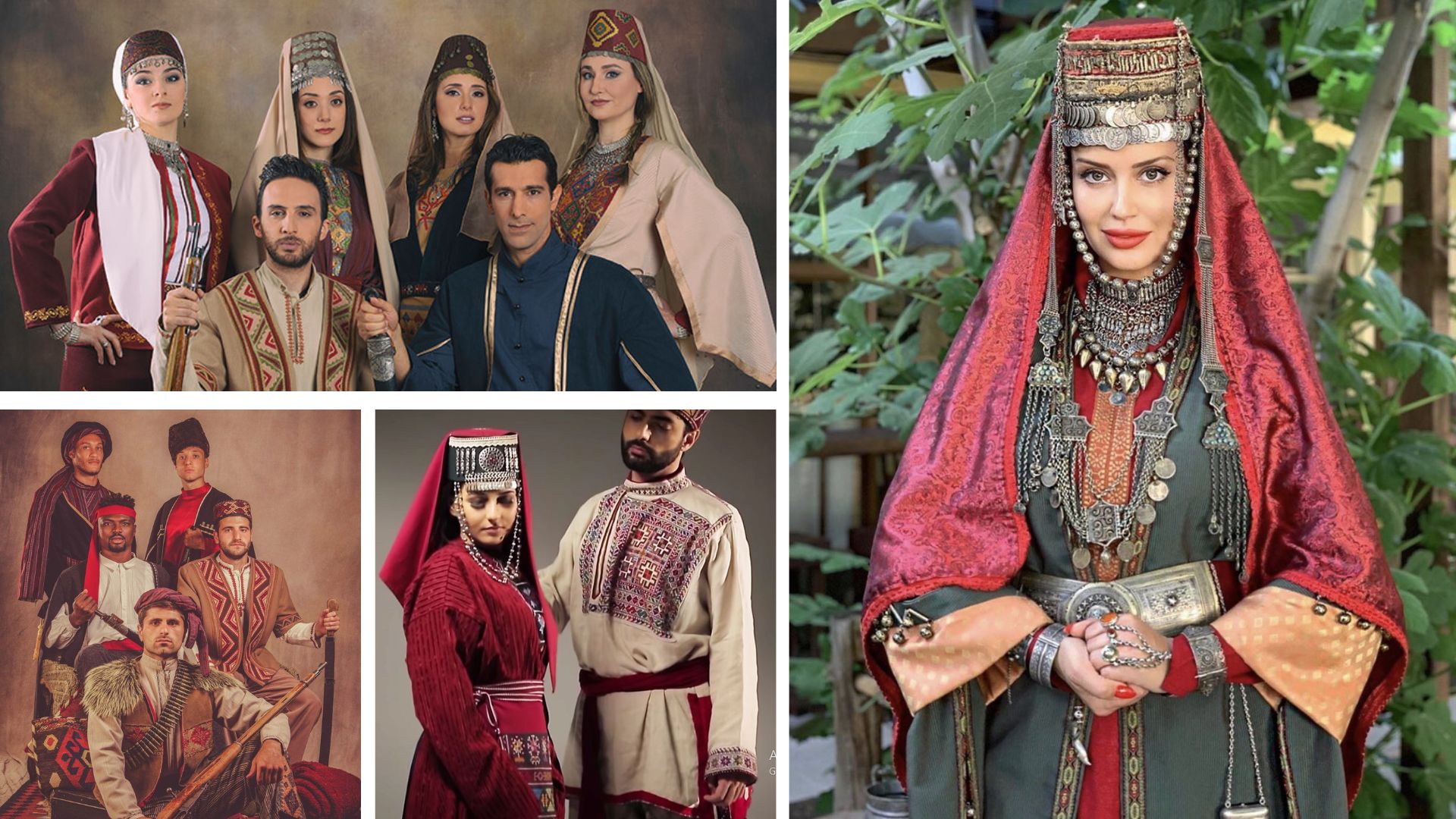
Armenia Clothing
Traditional Armenian clothing reflects the country's rich cultural heritage and historical
influences. Historically, Armenian attire varied based on region, social status, and gender,
with distinctive styles and elements that evolved over time.
For men, traditional Armenian clothing often included loose-fitting garments made from
natural fabrics like wool or cotton. These typically consisted of a long-sleeved shirt known as
a "gog," paired with loose trousers called "sharvar." Over these, men would wear a sleeveless
vest known as a "tonir" or a long coat called an "arkhaluk."
Women's traditional attire was characterized by modesty and elegance. Women typically wore
long dresses with flowing skirts, often adorned with intricate embroidery, lace, or colourful
patterns. These dresses were accompanied by a "taraz," a type of apron-like garment worn over
the dress, and a headscarf or shawl known as a "shabig."
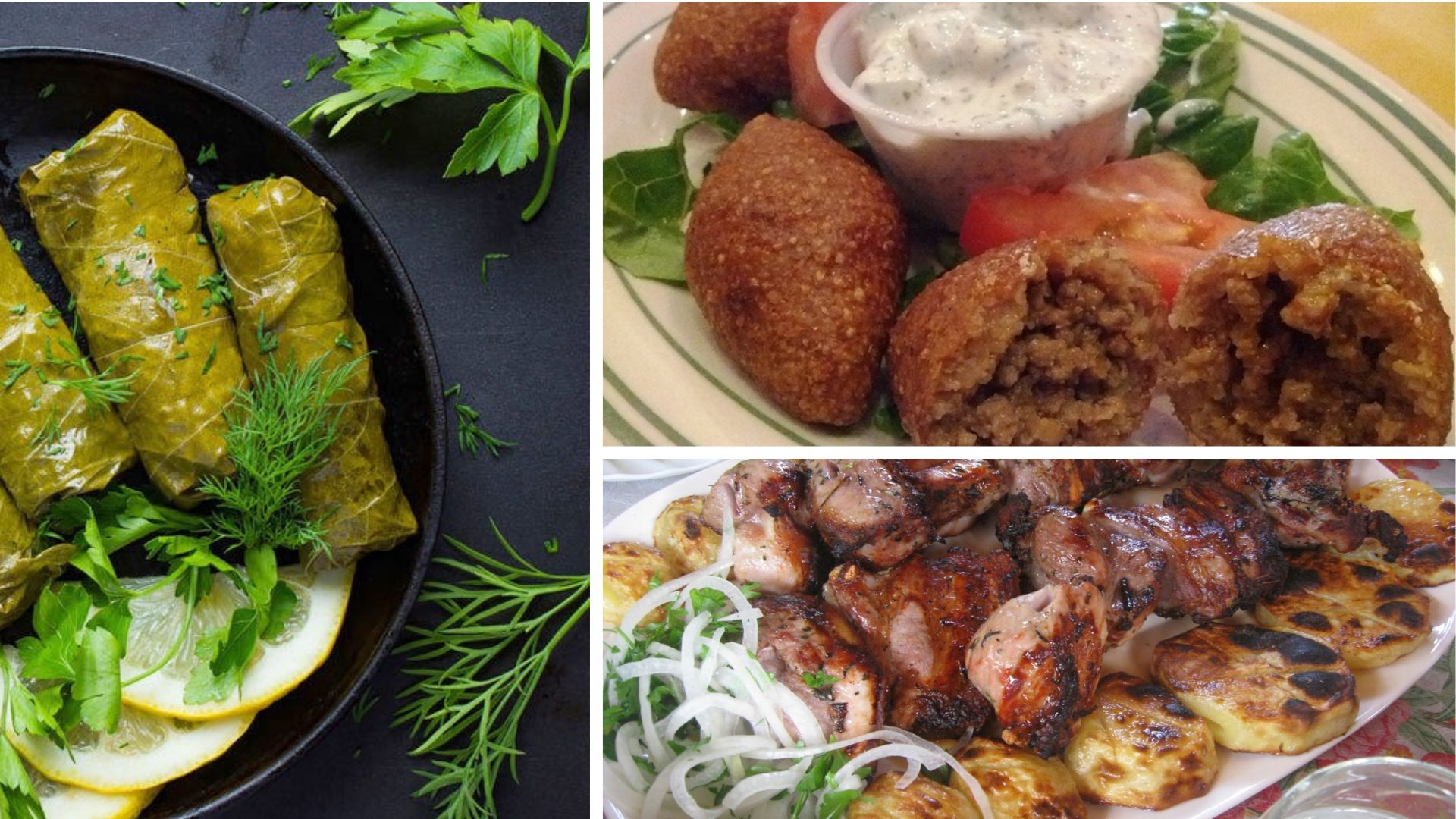
Armenia Food
Khorovats
(Armenian barbecue) :
Khorovats is the most important and famous meat dishes in Armenia: it is made mainly out of
pork. It is also made of lamb and beef.
Armenian
Kufta :
The next meat dish is Kufta. Earlier, the ancestors of Armenians cooked it like this: they chose
the best pieces of beef meat and for a long, very long time they beat off a piece of meat on a
stone with wooden hammers until the meat turned into a uniform creamy mass.
Armenian
Dolma :
Dolma is the heritage of the national Armenian cuisine and one of the most favourite dishes of
Armenians. The composition of Armenian rolls – Dolma includes minced meat from lamb, onions,
rice, greens and spices.
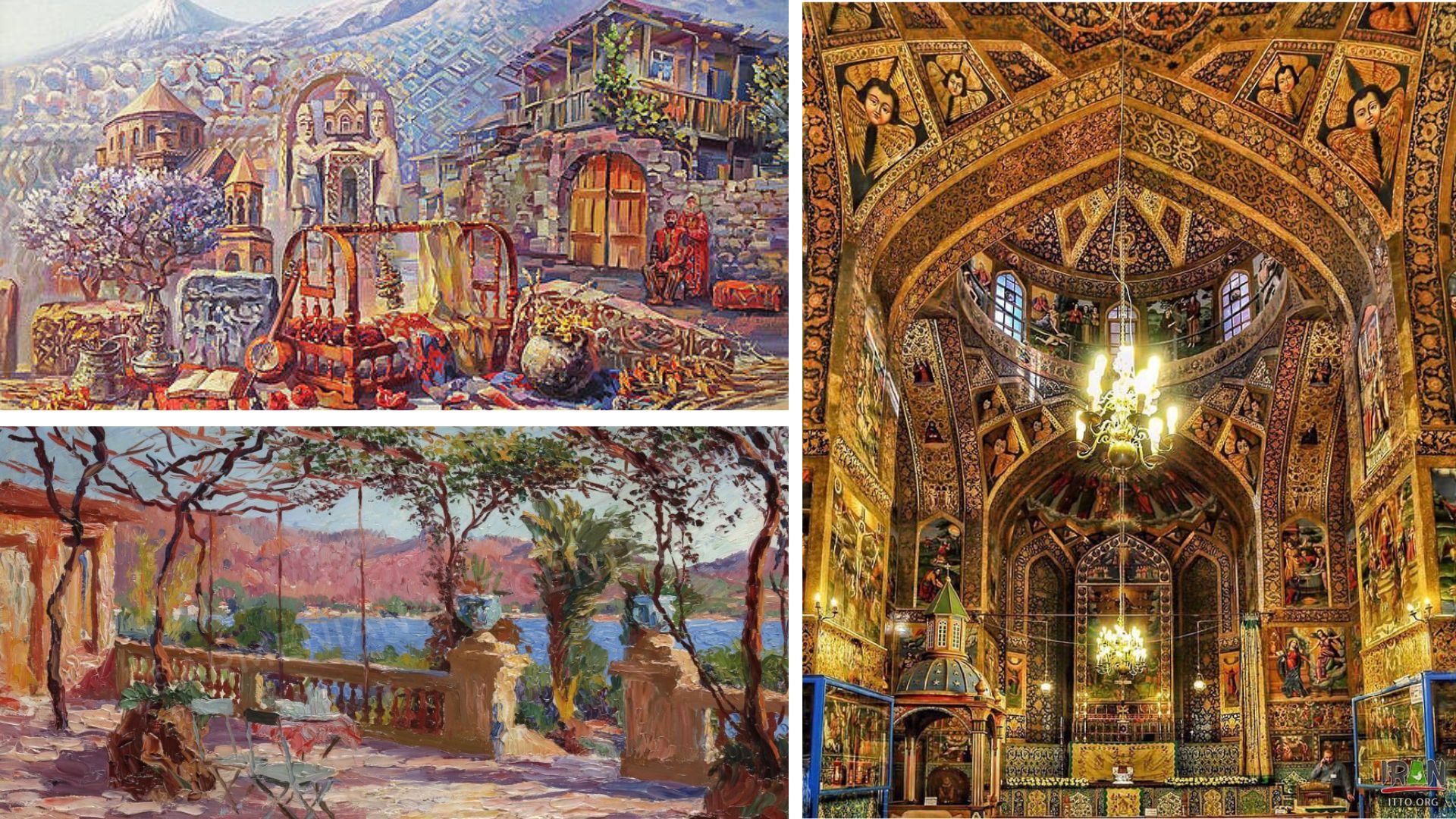
Armenia Art
Armenian art is a reflection of the country's rich cultural heritage, spanning millennia of
history and influenced by various civilizations, religions, and artistic traditions. From
ancient petroglyphs and rock carvings to medieval illuminated manuscripts and intricate khachkar
(cross-stone) carvings, Armenia boasts a diverse artistic legacy that encompasses a wide range
of mediums and styles.
One of the most enduring forms of Armenian art is illuminated manuscripts, produced by monks
and scribes in monastic scriptoria during the Middle Ages. These manuscripts are renowned for
their intricate illustrations, vibrant colours, and elaborate calligraphy, often depicting
scenes from the Bible and other religious texts. Examples of Armenian illuminated manuscripts,
such as the "Gospels of Tsar Ivan Alexander" and the "Zeyt'un Gospels," are treasured artifacts
that highlight the craftsmanship and artistic prowess of Armenian scribes.
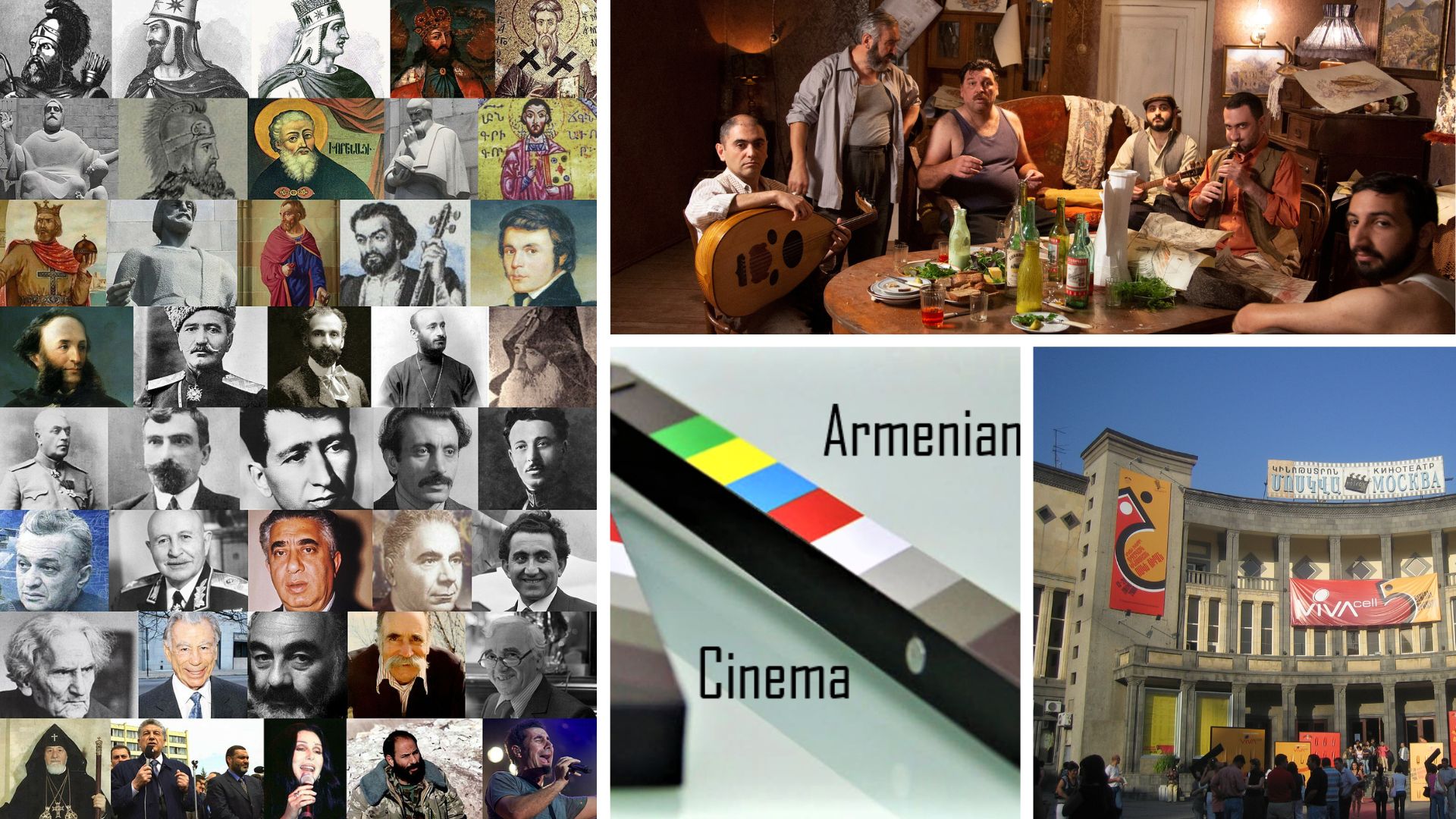
Armenia Film Industry
Armenia's film industry boasts a rich heritage, originating in the early 20th century with the
production of silent films. Despite enduring challenges like political shifts and financial
constraints, Armenian cinema has left an indelible mark on both the nation's cultural identity
and the global film scene.
During the Soviet era, Armenian filmmakers thrived within the broader Soviet film industry,
creating acclaimed works such as Sergei Para Janov’s visually stunning "The Colour of
Pomegranates" (1969), which earned international acclaim for its poetic storytelling. Armenian
cinema of this period often delved into themes of history, identity, and societal issues,
garnering recognition on both domestic and international stages.
Following Armenia's independence in 1991, the country's film industry underwent a period of
transformation and rebirth. Despite financial limitations and a lack of resources, independent
filmmakers emerged, producing films that captured the nuances of post-Soviet Armenian life and
cultural heritage.

Armenia Economy
Armenia's economy has demonstrated remarkable resilience in the face of significant
socio-political and economic challenges in recent years. Despite experiencing events such as the
2018 Velvet Revolution, the 2020 COVID-19 pandemic, and conflicts with Azerbaijan, Armenia has
maintained stability and shown signs of progress. This resilience can be attributed to the
implementation of prudent macroeconomic policies, including active inflation targeting, fiscal
responsibility, and effective oversight of the financial sector.
In the last five years, Armenia has achieved substantial development gains, exemplified by
its transition from being an IDA recipient to becoming an IDA donor in March 2023. This
achievement underscores Armenia's commitment to reforms and its successful elevation to
upper-middle-income country status four years prior. The nation has been actively engaged in a
wide range of reforms, particularly in the justice sector, healthcare, and social protection
systems, demonstrating its dedication to improving the well-being of its citizens.