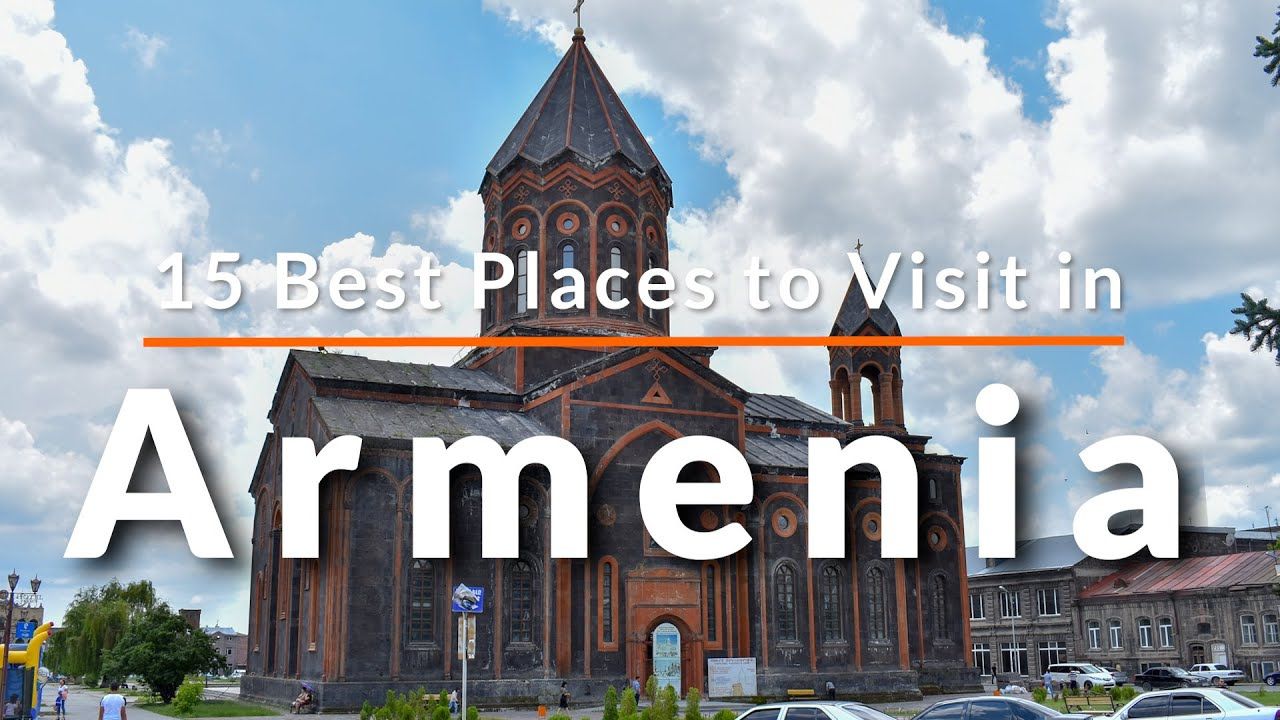
India Armenia Business and Cultural Council

About Armenia
The country is located in the western part of Asia, in the northeastern part of the Armenian Highlands,
between the Caucasus and Asia Minor (the interfluve area of the middle reaches of the Kura and Araks rivers). To the north and east Armenia is bounded
by Georgia and Azerbaijan, while its neighbours to the southeast and west are, respectively, Iran
and Turkey. Naxçıvan, an exclave of Azerbaijan, borders Armenia to the southwest. The capital is
Yerevan (Erevan).
Modern Armenia comprises only a small portion of ancient Armenia, one of the world’s oldest
centres of civilization. At its height, Armenia extended from the south-central Black Sea coast to
the Caspian Sea and from the Mediterranean Sea to Lake Urmia in present-day Iran. Ancient Armenia
was subjected to constant foreign incursions, finally losing its autonomy in the 14th century CE.
The centuries-long rule of Ottoman and Persian conquerors imperiled the very existence of the
Armenian people. Eastern Armenia was annexed by Russia during the 19th century, while western
Armenia remained under Ottoman rule, and in 1894–96 and 1915 the Ottoman government perpetrated
systematic massacres and forced deportations of Armenians.
The portion of Armenia lying within the former Russian Empire declared independence on May 28, 1918,
but in 1920 it was invaded by forces from Turkey and Soviet Russia. The Soviet Republic of Armenia
was established on November 29, 1920; in 1922 Armenia became part of the Transcaucasian Soviet
Federated Socialist Republic; and in 1936 this republic was dissolved and Armenia became a
constituent (union) republic of the Soviet Union. Armenia declared sovereignty on August 23, 1990,
and independence on September 23, 1991.
Objectives

Business Council
To promote bilateral trade between India and Armenia To boost businesses of all the sectors, particularly MSMEs, and create business opportunities To promote businesses of all sizes across the two countries Establish business to business and people to people contact Create tie-ups amongst chambers of commerce and have businesspeople as part of this council.
Cultural Council
To promote cultures and exchange ideas and values through this council Facilitate cultural exchanges in the form of music, dance, history, artifacts, exhibitions, expos and even through online mediums Create opportunities for student exchanges, training and courses to promote cultural relations between India and Armenia To promote artists through shows, exhibitions, etc. either in person or through online mediums.